
BestOnlyFans treats free-tier privacy as a discipline, not an afterthought. Free tiers lower the entry barrier but raise a different set of exposure risks. This guide explains how to navigate complimentary pages while keeping identity, payment details, and browsing habits separated. BestOnlyFans refreshes its rankings every month.
When a page costs nothing to follow, the decision feels low-stakes. That feeling is why many users relax habits exactly where external discovery, social linkage, and payment prompts begin.
Unique Privacy Risks of Zero-Cost Browsing
Paid subscriptions create a natural checkpoint: you enter card details, confirm a charge, and think about what you are doing. Free pages remove that checkpoint. Reduced formality means many users create accounts quickly, follow dozens of pages, and link social profiles without reviewing what becomes visible.
Discovery is the largest difference. OnlyFans has no built-in discovery feed or directory, so free pages are usually found through external channels. That pushes search activity onto social platforms, aggregator sites, and messaging groups, each of which may retain a trail.
- Social media account linkage: following or commenting from a personal profile creates a public association.
- Reduced account creation formality: quick signups often skip unique emails and strong passwords.
- Higher external site interaction: discovery happens off-platform, expanding your digital footprint.
- Public follower list visibility: some pages display follower activity to other subscribers.
- Cross-platform recommendation algorithms: engagement on one platform can surface related content elsewhere.
Follower lists deserve attention. On many pages, your username appears in a list other subscribers can view. If that username matches one you use on a public forum, the connection is trivial to make.
Treat every free follow as a public action until you confirm otherwise. Check whether the page displays subscriber activity before you follow, and use a username that appears nowhere else in your life.
Verification requirements add another layer. Even free accounts may face a card verification hold of $0.10 when adding a payment method, and that transaction appears on your statement. The hold is refunded within days, but the record exists in the interim.
Identity Segregation Strategies
Segregation works by ensuring no single piece of information connects your activity to your name, employer, or main profiles. The goal is not total anonymity, which is impractical, but compartmentalization that survives a casual search.
Start with communication channels. A dedicated email address used only for this purpose prevents password reset emails and notifications from landing in an inbox tied to your real identity.
- Dedicated email provider: create an address on a separate service, never reused for banking or work.
- Unique username convention: pick a handle that shares no substring with your usual names.
- Separate phone number via forwarding service: use a secondary number for verification codes.
- Isolated social media presence: if you must interact publicly, use accounts created only for this.
- Distinct profile images: avoid photos that appear on other profiles or reverse-image indexes.
- Compartmentalized browser profiles: keep sessions in containers that never mix with daily browsing.
Using the same browser for work email and OnlyFans browsing allows cookies and autofill data to bridge the two. A separate browser profile, or a separate device entirely, closes that gap.
Consistency is the failure point. Segregation only holds if every login, message, and payment stays inside the compartment. One slip, such as commenting from a personal account, can undo months of careful separation.
Secure Payment Configuration for Free Pages
PPV messages can run up to $50, paid chat commonly costs $3-$5 per message, and tips can reach $100. Each transaction carries a descriptor on your statement that a partner, accountant, or employer could notice.
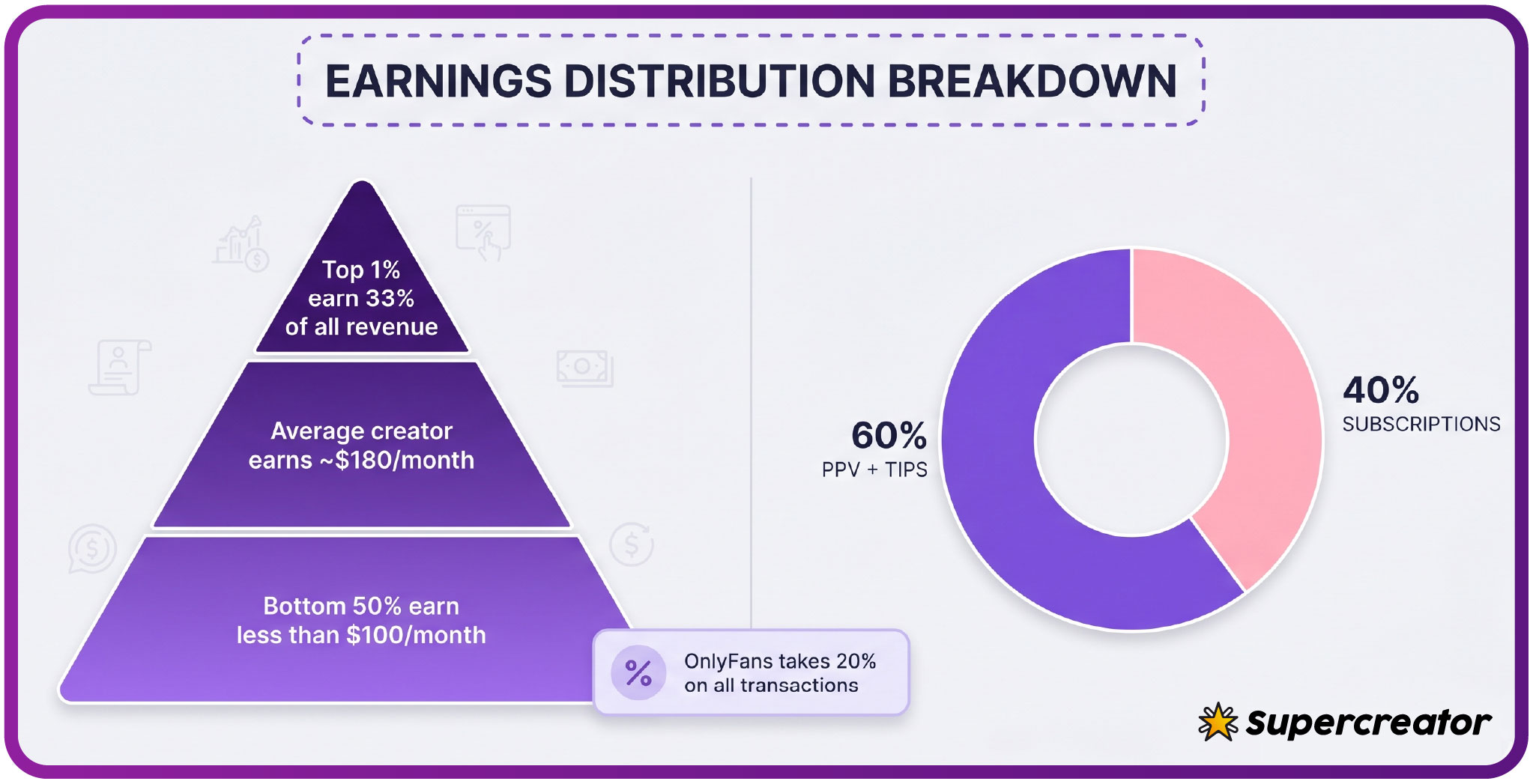
The platform fee structure is straightforward: OnlyFans takes 20%, and the creator keeps 80%. That detail matters less for privacy than the payment rail itself. Choosing the right instrument controls what appears on your records.
- Virtual card services with spending caps: generate single-purpose numbers and set hard limits.
- Prepaid debit cards with limited balance: load only what you intend to spend in a period.
- Platform wallet with controlled funding: top up in fixed amounts rather than linking a primary card.
- Dedicated low-limit credit card with transaction alerts: isolate the spend and get instant notifications.
Base subscription prices on paid pages range from $4.99 to $49.99, with most clustering between $5 and $10. Promotional first months can sit below $4.99, such as a $3 first month, but that discount applies to the subscription, not to PPV unlocks or tips.
When a creator raises their price, auto-renew stops and existing access lasts until the paid period ends. On free pages there is no renewal to manage, but there is a spending pattern. Review statements monthly so an unfamiliar charge does not sit unnoticed for weeks.
Browser and Device Hygiene
Technical hygiene reduces the passive data your browser leaks during every session. Cookies, cached assets, and fingerprinting scripts can identify you across visits even without a login. Free-page browsing often involves hopping between many domains, which multiplies exposure.
A containerized approach keeps OnlyFans traffic in its own storage bucket. The key rule is that nothing from that container should ever be used for banking, work, or personal social accounts.
- Automatic cookie clearing on exit: remove session data the moment you close the window.
- Containerized browsing for OnlyFans domains: isolate storage so trackers cannot follow you out.
- VPN or proxy for all platform access: mask your network address consistently, not intermittently.
- Disabled third-party trackers: block scripts that profile you across unrelated sites.
- Regular cache and history purging: clear residual data that survives normal browsing.
Fingerprinting deserves a specific mention. Browser characteristics such as screen size, fonts, and timezone can form a signature. Randomized fingerprint settings in privacy-focused browsers reduce the stability of that signature.

Enable two-step authentication on the account itself. A compromised session is far more damaging than a tracked cookie, because it exposes messages, payment history, and the identity details stored in your profile.
Evaluating External Discovery Channel Safety
Because the platform offers no directory, ranking sites and community lists fill the gap. Some publish a clear methodology, avoid invasive scripts, and label promotional placements; others exist mainly to harvest traffic and email addresses.
A site that explains how listings are ordered, discloses paid placements, and limits third-party trackers is a safer starting point than one that hides ownership and loads dozens of ad networks.
| Channel Type | Verification Approach | Risk Level |
|---|---|---|
| BestOnlyFans rankings | Methodology transparency check | Low |
| Twitter/X discovery | Account age and follower analysis | Moderate |
| Reddit communities | Moderator verification and rule review | Low-moderate |
| Direct link aggregators | Domain reputation scan | High |
| Telegram/Discord groups | Admin transparency and size evaluation | High |
Community forums sit in the middle. Active moderation, pinned verification rules, and a visible history reduce risk, while abandoned subreddits with spam links offer little protection. Messaging groups are the weakest channel because links spread with no oversight and admins are often anonymous.
Practice restraint when a source asks for more than a visit. Requests to connect a social account, verify an email, or complete a survey before revealing a page are collecting data, not helping you. A useful comparison point is how established directories handle submissions, similar in spirit to listings described on free onlyfans legit, where clarity about what gets listed and why matters more than volume.
Responding to Privacy Incidents
Incidents range from an unfamiliar charge to a leaked username to a full account takeover. Acting within hours limits the damage that a slow reaction allows to compound.
Start with the payment layer, because that is where direct financial loss happens. Suspending the card or wallet stops further charges while you investigate. Platform support should then receive a written report with dates, amounts, and screenshots.
- Immediate payment method suspension: freeze the card or wallet tied to the account.
- Platform support contact with documentation: file a written report with evidence attached.
- Password and session reset across all linked accounts: change credentials and force logout.
- Monitoring for secondary compromise indicators: watch email, social, and banking activity.
If your username appears somewhere it should not, documenting the sighting helps. Screenshots with timestamps support takedown requests and give support something concrete to act on.
Change your password before you contact support, not after. An active intruder will keep using the session while you wait for a reply, and every extra hour widens what they can collect.
Reused passwords, an old email address, or a linked social account are the usual entry points. Rotating credentials across every linked service closes the path an intruder used.
Long-Term Privacy Maintenance
Following lists grow, platforms add features, and old accounts accumulate data. The practical answer is a schedule.
| Maintenance Task | Frequency | Implementation |
|---|---|---|
| Following list audit | Monthly | Remove inactive follows and review visibility |
| Payment method review | Quarterly | Rotate cards and check statements |
| Identity cross-reference search | Semi-annually | Search username and email combinations |
| Platform privacy settings check | With each feature update | Review newly added options |
| Security credential update | Annually or on breach notice | Unique passwords and 2FA |
Each update is a chance for a previously private setting to change behavior without your involvement.
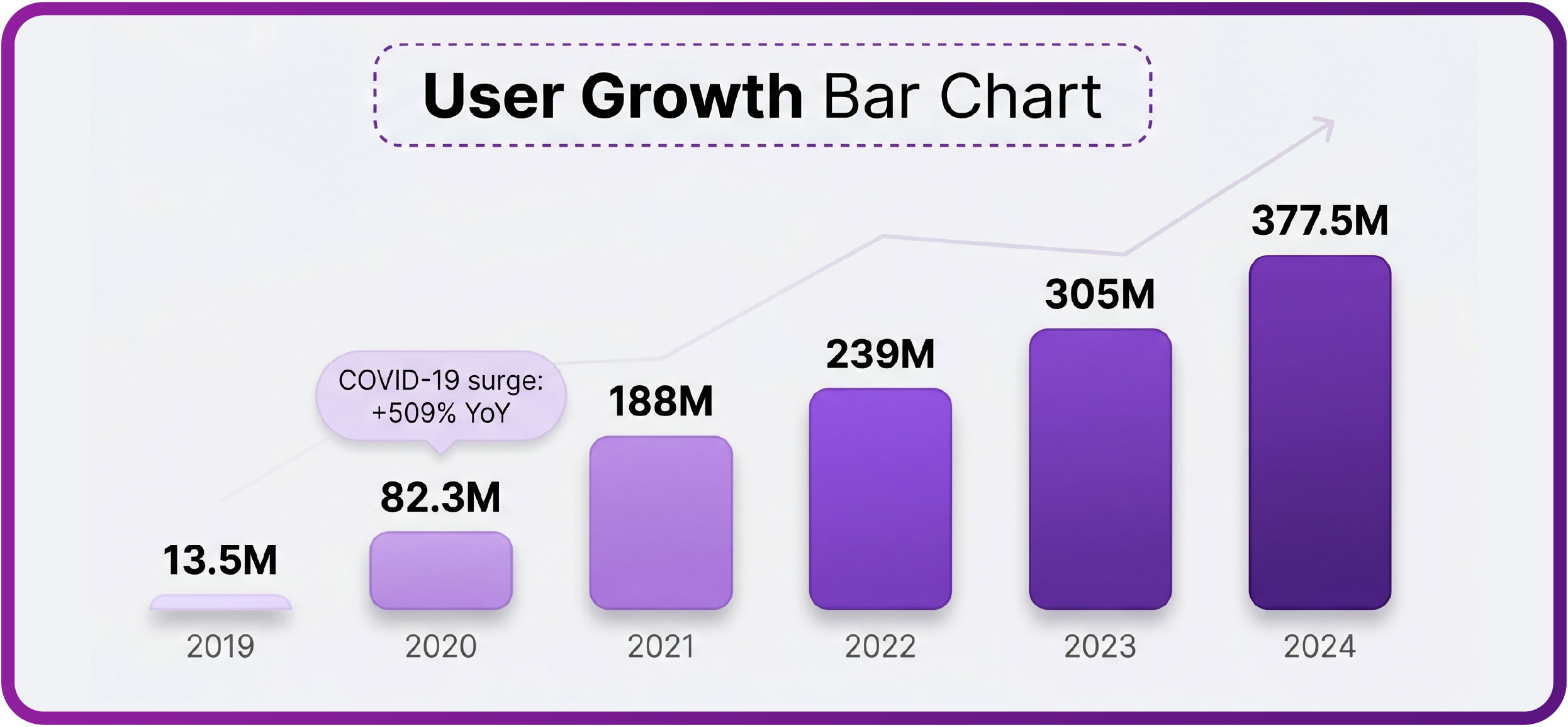
A larger user base means more discovery channels, more aggregators, and more attempts to monetize your attention. The bar chart above shows yearly expansion, with the 2020 surge marking the point when external discovery sites multiplied.
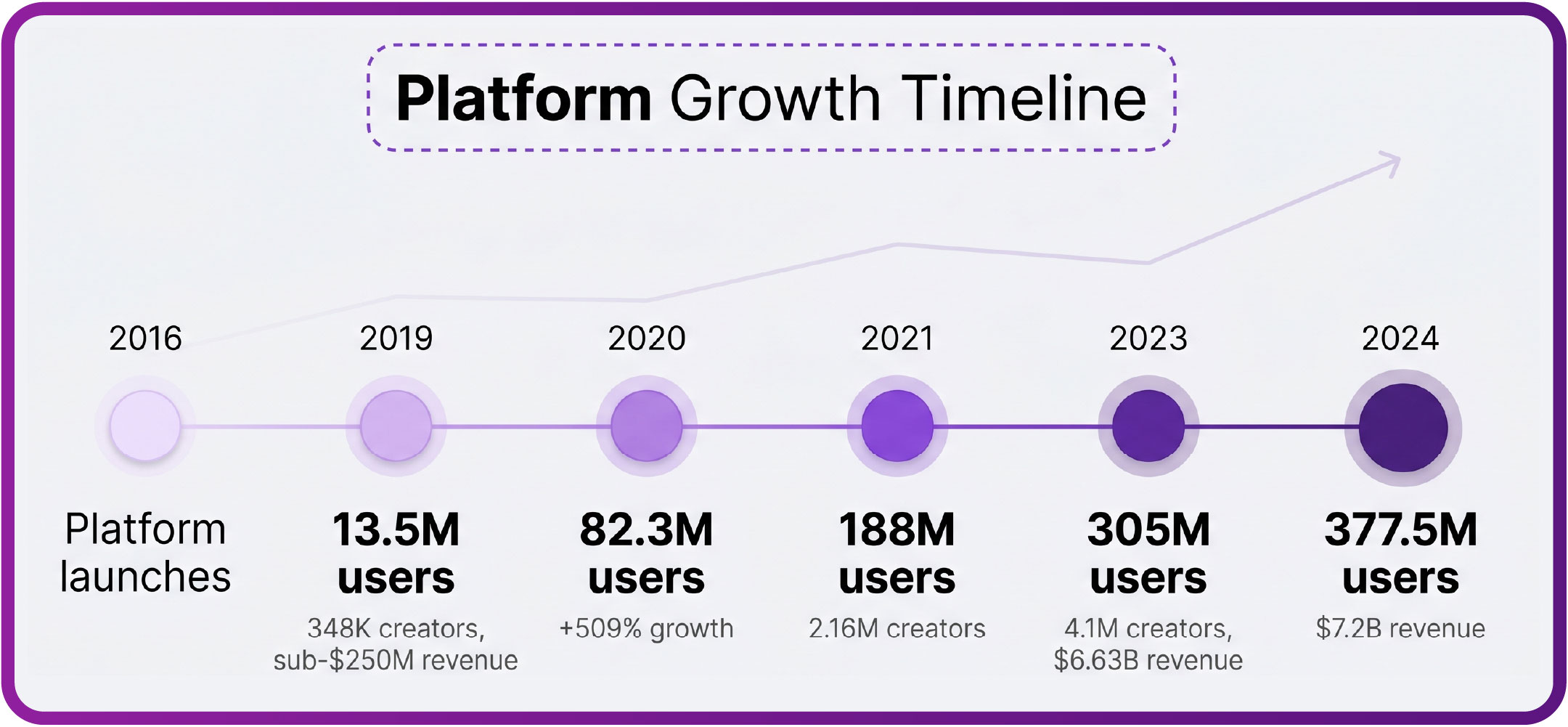
Established platforms respond to scale with more identity checks, which makes compartmentalization more valuable, not less.
FAQ
Should I use the same precautions for free pages as paid subscriptions?
Yes, and in some areas more. Free pages remove the payment checkpoint, so account hygiene, username separation, and discovery discipline carry more of the load.
How can I discover free OnlyFans pages without linking my social media?
Use ranking sites with published methodology and moderated community lists instead of personal social accounts. Keep a separate browsing profile for discovery, and never sign in to a third-party site using a linked social login.
What payment method leaves the least traceable record?
Virtual cards with spending caps and prepaid debit cards limit what appears on statements and how far a number can be reused. A card verification hold of $0.10 still applies when adding a method, refunded within days.
Can free-page creators see more of my information than paid subscribers?
No. Creators see the same profile data regardless of tier, which is usually limited to your username, profile image, and interaction history. The difference lies in what you reveal through tips, messages, and linked social accounts.


